
Don't Let the Florida Sun Ruin Your Curb Appeal: A Guide to Paver Care
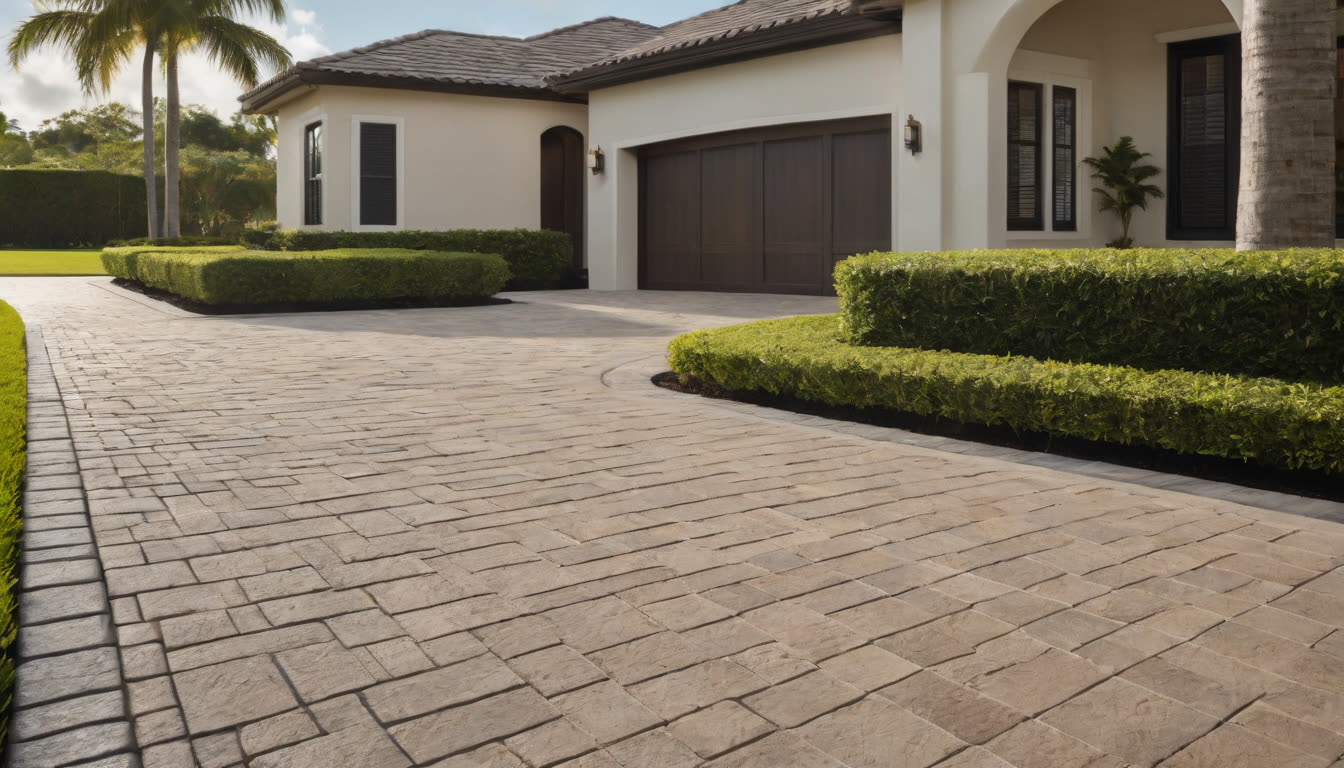
If you live near the coast in Fort Lauderdale, you’ve likely noticed how quickly the salt air and heavy tropical rains can change the look of your home. Recent updates in local property maintenance highlight a growing challenge: the intense Florida climate is causing pavers to crack and fade much faster than in previous years. Keeping your driveway and walkways in top shape is about more than just looks; it is about protecting a major investment in your property.
The Hidden Dangers of Coastal Weather
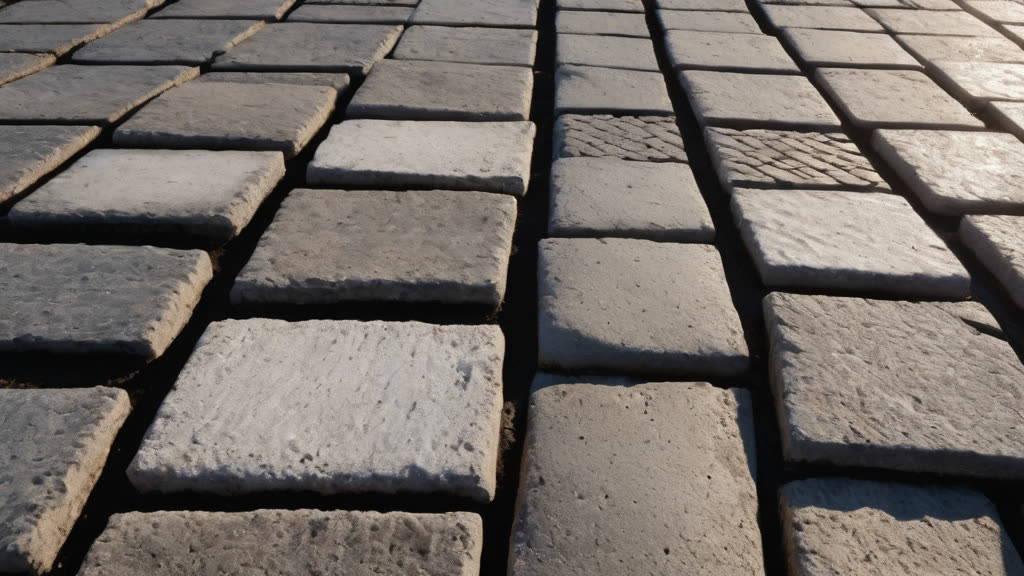
Living in Florida, or even managing properties in seasonal areas like Massachusetts, means dealing with extreme environmental shifts. In Fort Lauderdale, the combination of high UV exposure and salt spray creates a 'perfect storm' for stone degradation. When salt settles into the pores of your pavers, it can crystallize and expand, leading to internal pressure that causes surface flaking or deep cracks.
It isn't just about the sun, though. The heavy, sudden downpours we experience in South Florida wash organic matter, like dirt and decaying leaves, into the joints between your stones. If left alone, this debris turns into a breeding ground for algae and moss. A crumbling or stained walkway isn't just an eyesore—it can become a slippery safety hazard for your family or guests.
To stay ahead of this, we suggest keeping an eye on recent local resources. For instance, The Clean Guys recently published a specialized guide regarding different paver sealer finishes and the specific needs for resealing in the Fort Lauderdale area. Staying informed on these local nuances can save you thousands in driveway repairs down the road.
Step 1: Regular Pressure Washing to Remove Salt and Grime
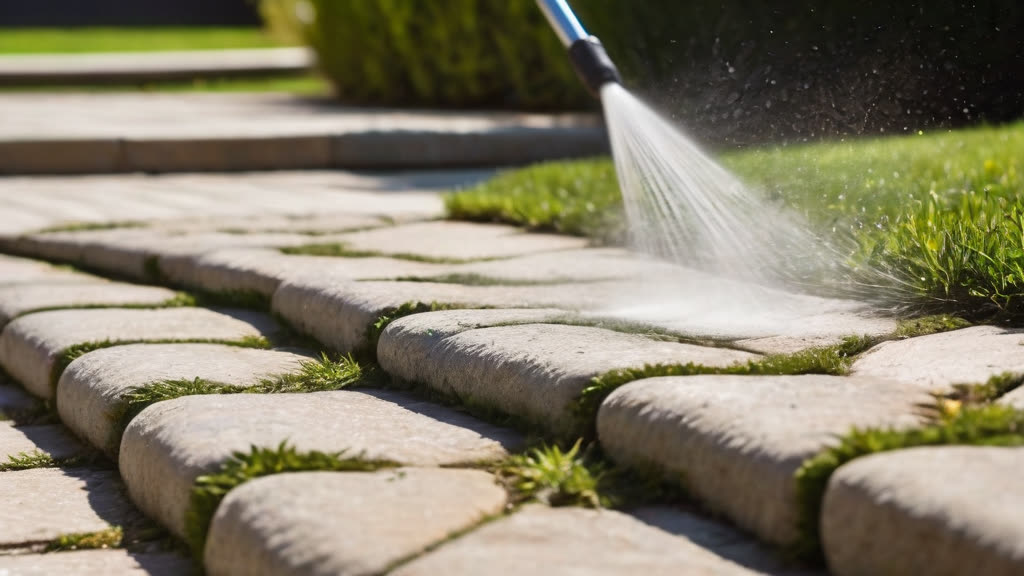
The first line of defense in your driveway maintenance tips toolkit is consistent cleaning. We recommend a thorough pressure washing of your driveway and walkways at least twice a year. The goal here isn't just to make the stones look bright; it is to physically remove the salt deposits and grime that trap moisture against the surface.
When you perform pressure washing in Fort Lauderdale, be careful with the pressure settings. While you want to blast away the salt, too much pressure can blow out the polymeric sand in your joints. This sand is what keeps your pavers locked in place. If you lose that sand, weeds will start popping up, and your pavers may begin to shift.
If you notice heavy buildup, a gentle soak with a specialized cleaner before using the pressure washer can help loosen the grime without needing extreme force. This approach ensures you are cleaning the surface rather than just moving the dirt around.
Step 2: The Importance of a Protective Sealant
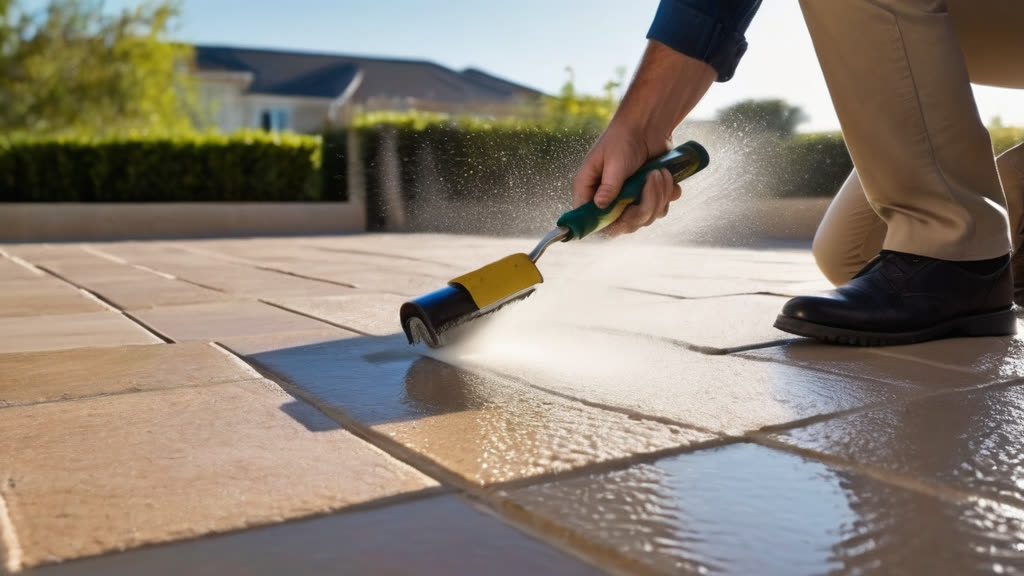
Once your pavers are clean and dry, the next critical step is paver sealing in Florida. Think of a sealer as a protective raincoat for your driveway. It creates a barrier that prevents water, oil, and UV rays from penetrating the porous stone. Without this barrier, the intense Florida sun will bleach the color right out of your pavers, leaving them looking gray and weathered.
We recommend applying a high-quality sealer every 2 to 3 years. This frequency can change depending on how much traffic your driveway gets and how much sun exposure it receives. A well-maintained seal prevents the 'pitting' effect where small holes form in the stone surface due to acid rain and environmental debris.
When choosing a sealer, consider the finish you prefer. Some provide a 'wet look' that deepens the color, while others are more matte. Whatever you choose, ensure the surface is completely dry and free of any residue before application to ensure the bond is permanent and durable.
Step 3: Immediate Spot Treatment for Stains and Growth
The third step is the one most homeowners skip: immediate action. If you spill oil from your car or a lawnmower, do not wait until your next seasonal deep clean. Oil penetrates porous stone incredibly fast. Use an absorbent material like kitty litter or specialized stone cleaner immediately to soak up the liquid before it sets into a permanent dark stain.
Similarly, if you see green algae or dark organic growth creeping up your walkway, address it right away. This growth holds moisture against the stone, which accelerates the cracking process. A quick scrub with a stiff brush and a mild cleaning solution can often stop the spread before it requires professional intervention.
Frequently Asked Questions
How often should I seal my pavers in Fort Lauderdale?
Due to the high UV index and heavy rainfall in South Florida, we recommend resealing every 2 to 3 years to maintain the protective barrier.
Can pressure washing damage my driveway?
It can if done incorrectly. Using too much pressure can displace the sand in the joints. It is best to use a controlled, professional-grade pressure setting.
How do I get oil stains out of my pavers?
Treat oil spills immediately with an absorbent powder or a specialized stone degreaser to prevent the oil from soaking deep into the pores.
At Pure Pristine Cleans, we believe a beautiful home starts at the front door. While we specialize in residential cleaning services and making your indoor spaces sparkle, we are dedicated to being your advocate for a well-maintained home. If your outdoor surfaces are looking weathered, we can recommend local specialists to help get your entryway looking pristine again. Visit us at purepristinecleans.com to see how we can help your home shine from the inside out.