Is Your Kitchen Cleaner Doing More Harm Than Good? Avoiding Common Chemical Mistakes
A recent report in The Worcester News caught our attention, highlighting a mistake many of us make without even realizing it. It turns out, using the wrong cleaning agents on kitchen surfaces can do much more than just leave a streak; it can cause chemical reactions or leave behind invisible, lingering residues. Whether you are managing a busy family home in Boston or a high-traffic Airbnb rental in Florida, knowing how to navigate your cleaning cabinet is essential for both surface longevity and health.
The Hidden Danger of 'All-Purpose' Sprays on Natural Stone
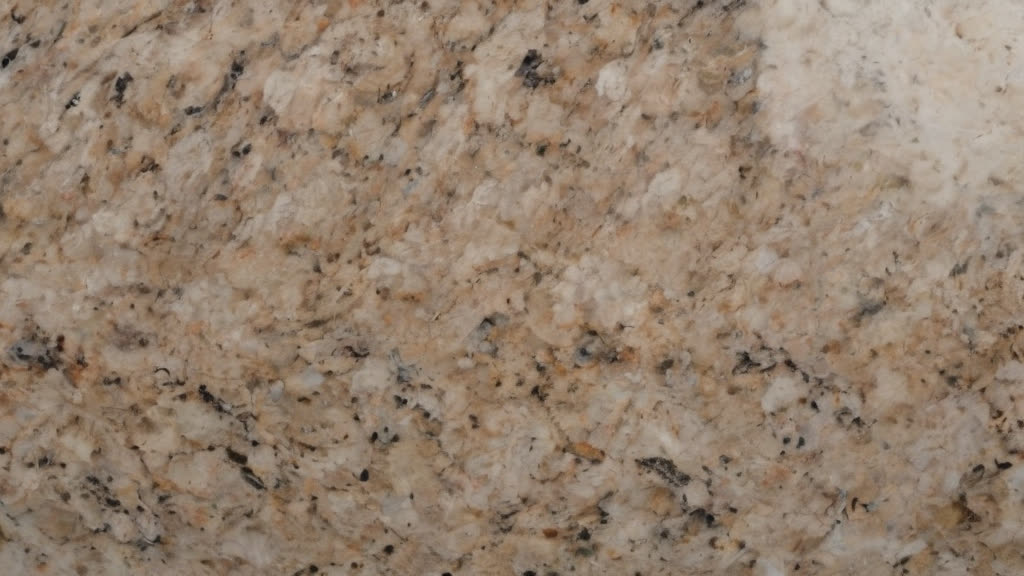
If you have beautiful granite or marble countertops, you likely want to keep them looking pristine for years. However, many 'heavy-duty' or multi-purpose sprays are much more aggressive than they appear. These cleaners often contain high levels of acids or alkalis designed to strip away tough grime. While that might work on a stovetop, those same ingredients can chemically 'etch' natural stone. Etching is that dull, cloudy mark left behind when the surface of the stone is literally eaten away by a chemical reaction.
When performing granite countertop cleaning, the goal is to maintain the sealer and the stone's integrity. Instead of reaching for a generic, heavy-duty spray, look for products specifically formulated for natural stone. This prevents the buildup of a film that can make your counters look cloudy and prevents the permanent damage that expensive repairs can't always fix. For our clients in Cambridge and Worcester, protecting these high-end finishes is a top priority during our deep cleaning service visits.
The Golden Rule: Never Mix Your Cleaning Products
It is tempting to think that mixing two strong cleaners will create a 'super cleaner,' but this is one of the most dangerous mistakes a homeowner can make. Specifically, never combine bleach with ammonia or even certain vinegar-based cleaners. This isn't just a matter of ruining your surfaces; it can create toxic fumes that are hazardous to breathe. In a closed-off kitchen, these vapors can accumulate quickly, making the air unsafe for your family or your Airbnb guests.
If you are cleaning a rental property, ensuring the kitchen is safe for food prep is your responsibility as a host. Using different products for different tasks—like one for the sink and one for the counters—is fine, provided they stay separate. If you ever accidentally mix something and notice a strong, sharp odor or eye irritation, leave the area immediately and ventilate the room. Safety should always come before a spotless shine.
Switching to Food-Safe, Residue-Free Methods
The kitchen is where we prepare everything from morning coffee to family dinners. Because of this, the surfaces we touch most often need to be handled with care. Many standard cleaners leave behind a thin, invisible film of chemicals. While the counter might look shiny, that residue can transfer to your cutting board or directly onto your food. For anyone seeking safe kitchen cleaning products, the label is your best friend.
We always recommend looking for products specifically labeled as food-safe and residue-free. These are designed to clean effectively without leaving behind a chemical layer that lingers after the liquid dries. This is especially important for Airbnb kitchen cleaning, where you cannot personally verify how the previous guest cleaned the surfaces. Using products that leave nothing behind ensures a truly clean environment for every new arrival.
Let Microfiber Do the Heavy Lifting
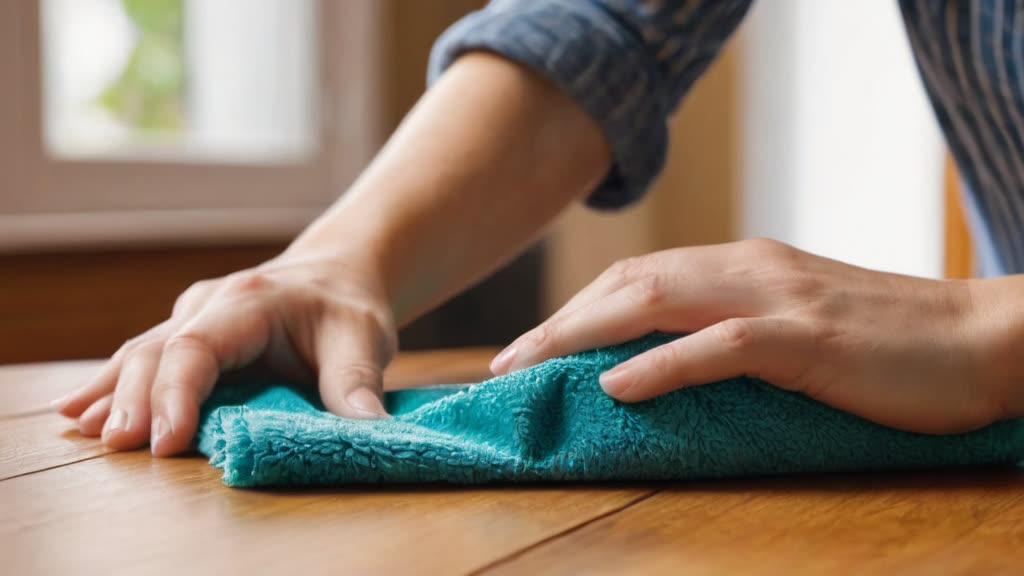
One of the best ways to reduce your reliance on harsh scrubbing is to change your tools, not just your liquids. High-quality microfiber cloths are a game-changer for kitchen cleaning safety. Unlike traditional sponges or paper towels, microfiber is designed to lift dirt, grease, and bacteria mechanically. The tiny fibers grab onto particles rather than just pushing them around.
By using clean, high-quality microfiber, you can often achieve a deep clean using much milder, residue-free agents. This reduces the need for aggressive scrubbing and minimizes the amount of chemical residue left on your surfaces. It is a simple, effective way to keep your kitchen sparkling and safe, whether you are in Massachusetts or Miami.
Frequently Asked Questions
Can I use vinegar to clean my granite countertops?
It is best to avoid it. Vinegar is acidic and can etch or dull the surface of natural stone like granite or marble over time.
How can I tell if a cleaner is safe for food preparation areas?
Look for products explicitly labeled as 'food-safe' or 'residue-free' to ensure no chemical film remains on your counters after wiping.
What should I do if I accidentally mix cleaning products?
Immediately leave the room, open windows to ventilate the area, and do not return until the fumes have completely dissipated.
Is microfiber better than paper towels for cleaning?
Yes, microfiber is much more effective at mechanically lifting bacteria and grime, which reduces the need for harsh chemical scrubbing.
At Pure Pristine Cleans, we take a 'safety-first' approach to every home we touch. As a family-owned business with a 4.9-star rating and 100+ verified reviews, we take pride in being a licensed and insured team you can trust. Whether you need professional kitchen cleaning in Massachusetts or a deep cleaning service for your Florida home, we use high-quality, professional-grade products that are tough on grime but gentle on your surfaces. Visit us at purepristinecleans.com to book your next cleaning.