
Clean Water, Clear Home: Why Water Quality Matters for Your Indoor Environment

With the Rhode Island Department of Environmental Management recently highlighting 'Clean Water Week,' many of us are thinking more deeply about the water flowing through our taps. Whether you are managing a coastal property in Florida or a family home in Providence, the quality of your water does much more than affect what you drink. It plays a massive role in the actual cleanliness and hygiene of your living spaces.
The Hidden Impact of Hard Water on Your Surfaces
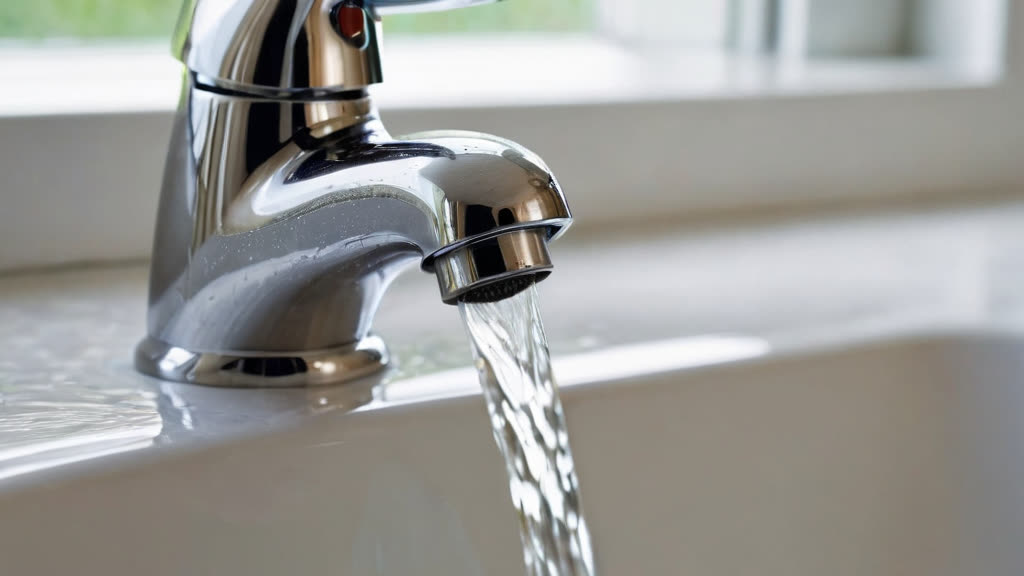
If you have ever noticed a cloudy film on your glassware or stubborn white spots on your chrome faucets, you are likely dealing with hard water. This isn't just a cosmetic nuisance; it is a fundamental part of your home's hygiene landscape. Hard water is packed with minerals like calcium and magnesium, which don't just disappear when the water evaporates. Instead, they settle into the microscopic pores of your surfaces.
Over time, this mineral buildup creates a 'scum' that acts like a magnet for dust, soap residue, and grime. In areas like Woonsocket or coastal Florida, where water chemistry can vary significantly, this buildup can make even a recent professional deep cleaning look dull within days. When these minerals bond to your bathroom tile cleaning areas, they create a textured surface that is much harder to wipe down, allowing bacteria and organic matter to cling more easily.
For our clients seeking Airbnb cleaning in Providence or house cleaning in Miami, managing this is vital. A guest's first impression of a bathroom is often defined by the clarity of the glass shower door. If that glass looks foggy, the entire perception of the property's cleanliness shifts, regardless of how much scrubbing was done.
Maintaining High-Traffic Fixtures and Showerheads
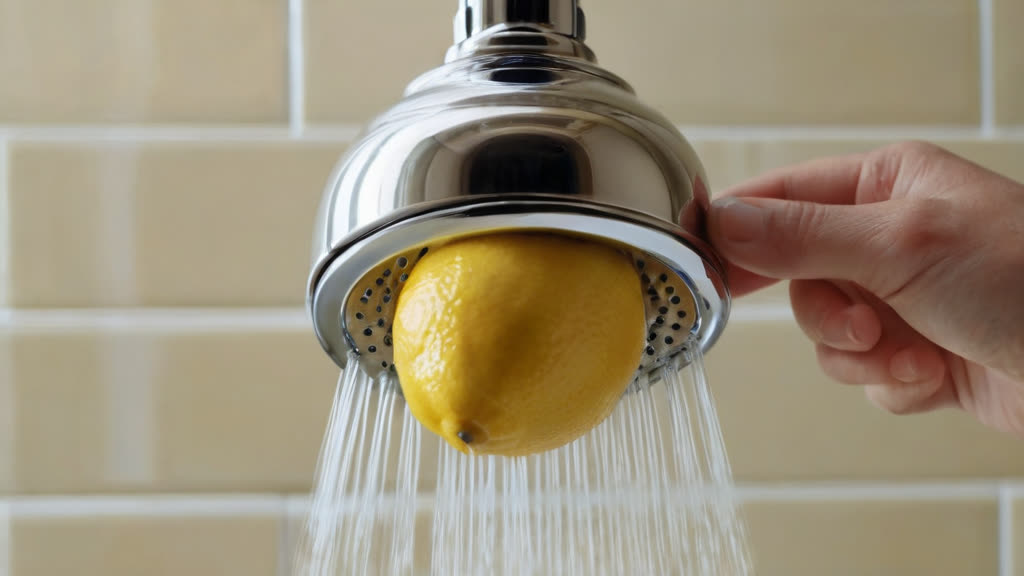
Preventing the buildup of minerals requires a proactive approach to your high-traffic plumbing fixtures. One of the most effective ways to handle minor scale is by using mild, natural acids. If you notice your showerhead is spraying unevenly, it is likely clogged with calcium. You can often clear this by soaking the showerhead in a bowl of plain white vinegar for about 30 minutes. The acetic acid breaks down the mineral bonds without needing harsh, heavy-duty scrubbing.
For chrome faucets and handles, a diluted solution of citric acid or even a squeeze of fresh lemon juice can work wonders on those pesky white spots. Apply the juice to the spot, let it sit for five minutes, and rinse thoroughly. However, always be cautious with natural stone like marble or granite; the acidity in lemon or vinegar can etch the stone, so always test a small, inconspicuous area first.
Regularly wiping down these fixtures after use helps prevent the water from sitting and evaporating, which is when the mineral deposition occurs. This simple habit can significantly extend the time between much more intensive hard water stain removal sessions.
Kitchen Hygiene and Water Management
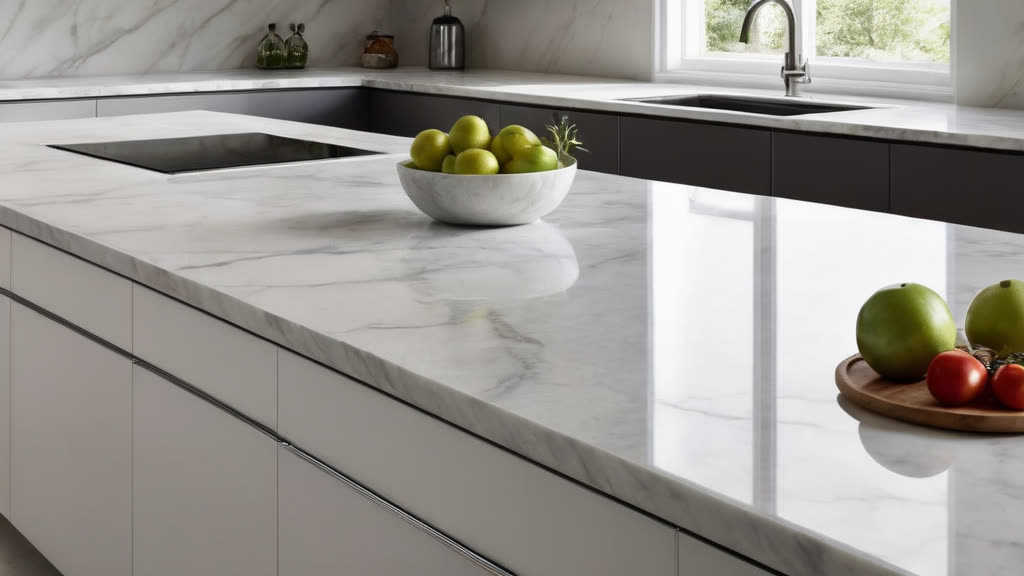
The kitchen is the heart of the home, but it is also where water quality meets food preparation. If your water has high mineral content, it can leave a thin, invisible film on countertops, especially if you use tap water to rinse produce or clean surfaces. This film can interfere with the effectiveness of your kitchen surface cleaning routine, as it creates a layer that traps food particles and moisture.
To keep your prep areas truly hygienic, focus on the 'invisible' buildup. When cleaning granite or quartz, ensure you are drying the surface completely after wiping. Leaving standing water on the counter is an invitation for mineral rings to form. If you use a dishwasher, ensure you are using a rinse aid to help water sheet off the dishes, preventing that cloudy residue on your silverware and glasses.
Another critical maintenance tip is to check your aerators and water filters. The small mesh screens at the tip of your faucets (aerators) collect sediment and debris over time. Unscrew them periodically and rinse them out under clear water. Similarly, if you rely on a whole-house or under-sink filtration system, stick to the manufacturer's replacement schedule. Clean water entering your pipes means cleaner surfaces for you to maintain.
Frequently Asked Questions
How can I tell if I have hard water in my home?
Look for white, crusty buildup on faucets, cloudy glass after washing, and a 'sticky' feeling on surfaces after they have dried.
Can hard water affect my plumbing?
Yes, long-term mineral buildup can restrict water flow in pipes and cause appliances like dishwashers and washing machines to work harder and fail sooner.
Does professional cleaning help with hard water spots?
Yes, a professional deep cleaning service uses specific techniques to lift mineral deposits from tile and grout that standard daily wiping might miss.
While we can't change the local water chemistry in Rhode Island or Florida, we can certainly help manage the results. If mineral buildup or hard water spots are making your surfaces look dull, our team specializes in restoring that 'just-washed' sparkle to your fixtures and tilework. We are a licensed and insured family business with a 4.9-star rating and over 100 verified reviews. Visit us at purepristinecleans.com to book your next cleaning.